From Sun-drenched plein air Painting in Paris to Nordic Melancholy
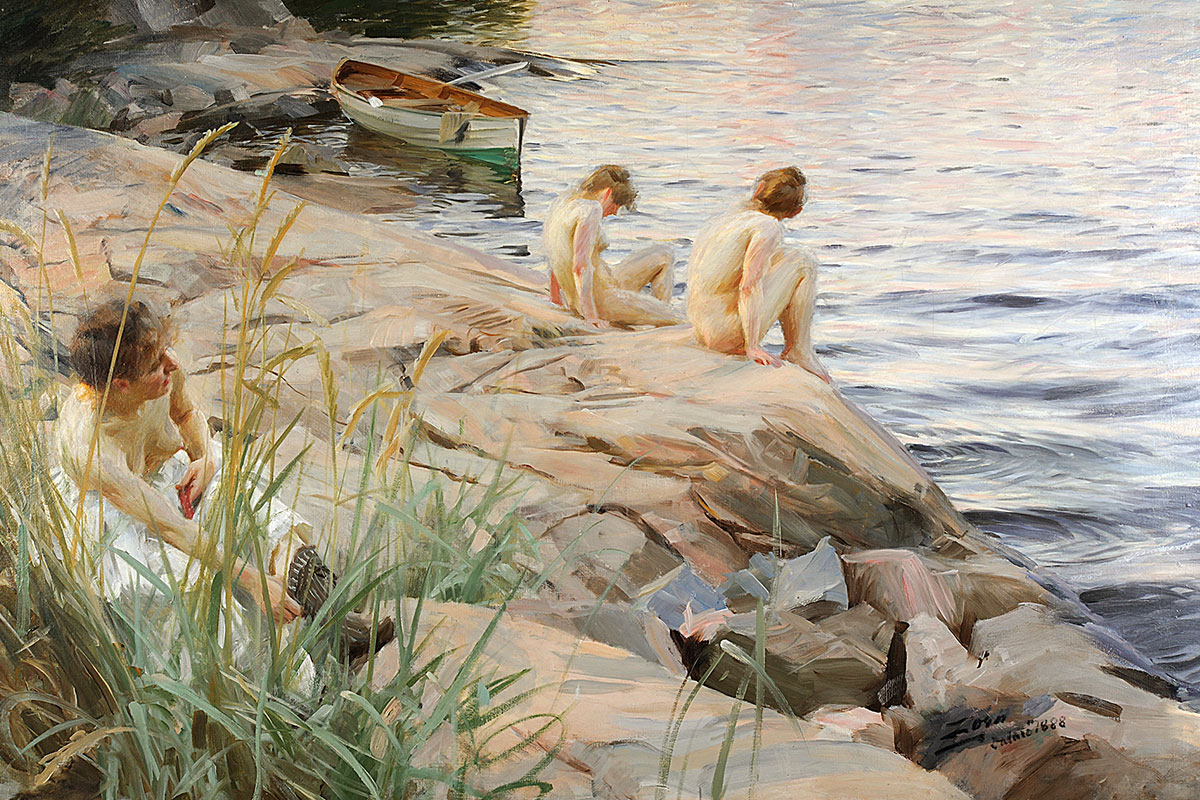
In the 1890s, many Nordic artists returned home after extended stays in France, particularly in Paris. There, they had encountered realism, impressionism, and the visual culture of the modern city. Upon their return, many developed a more personal mode of expression. Questions of national identity often became linked to folk culture. At the same time, several artists moved towards symbolism, with its emphasis on inner experience. Nordic nature was imbued with a sense of mystery and emotional resonance, and landscapes were frequently rendered in twilight: in dim winter light or during melancholic summer evenings.
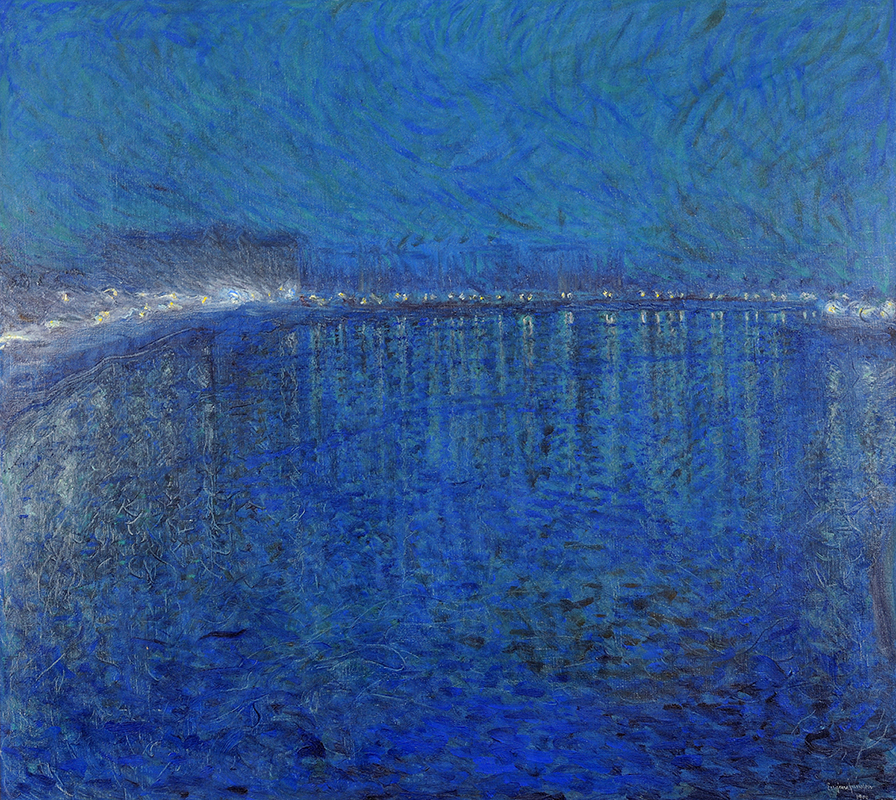
This gallery includes works by Anders Zorn, alongside artists such as Anselm Schultzberg and Gottfrid Kallstenius, whose paintings often depict atmospheric landscapes at dusk. The work of Charlotte Wahlström and Anna Boberg reflects a contemporary interest in nature’s mysteries and esoteric ideas, where suggestive and visionary landscapes play a central role. The city also emerges as a motif in paintings by Karl Nordström and Eugène Jansson, here shown as deserted, enigmatic, and shimmering in deep blue tones.
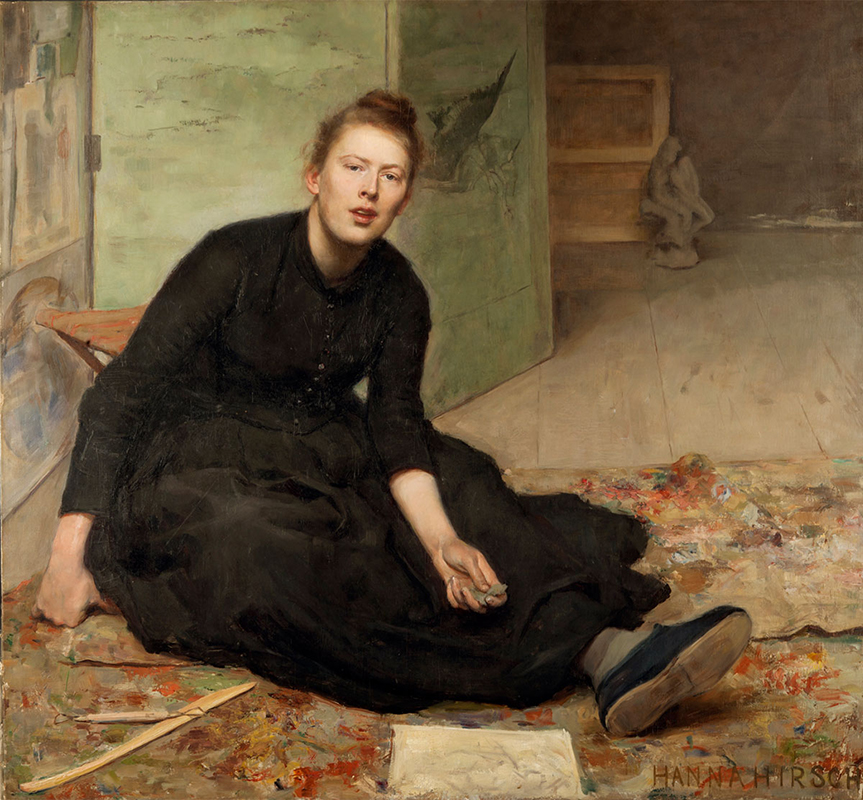
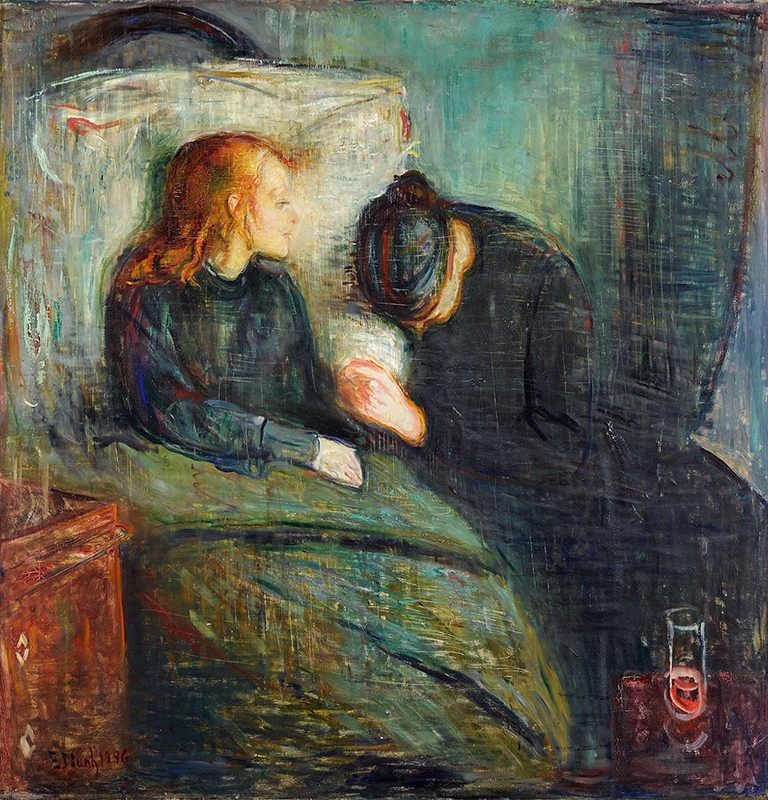
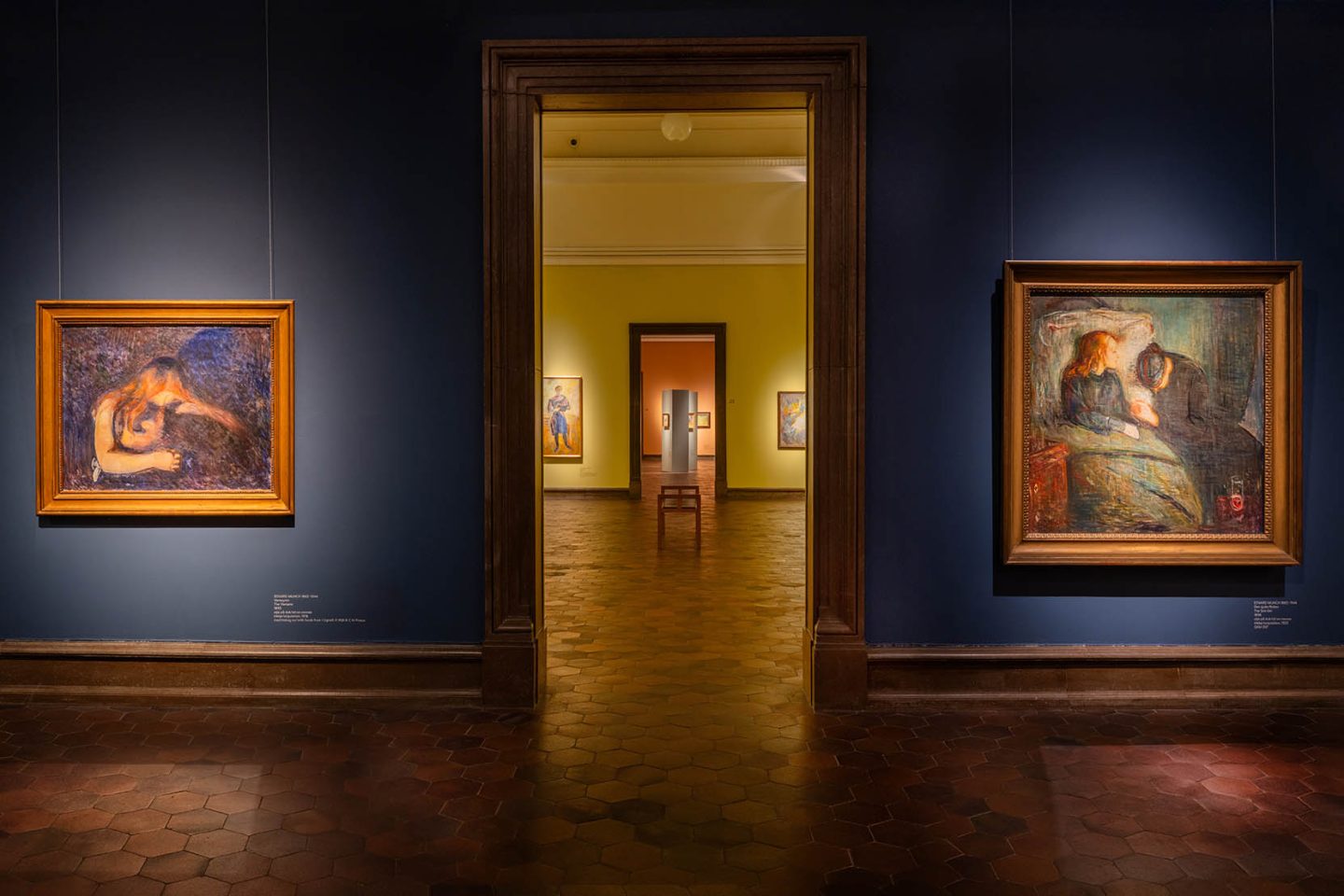
The room further presents evocative portraits in a symbolist idiom. Works by artists including Gerhard Henning, Ejnar Nielsen, Hanna Pauli, and Hildegard Thorell are displayed alongside Edvard Munch’s emotionally charged paintings, which explore existential themes of human experience.