
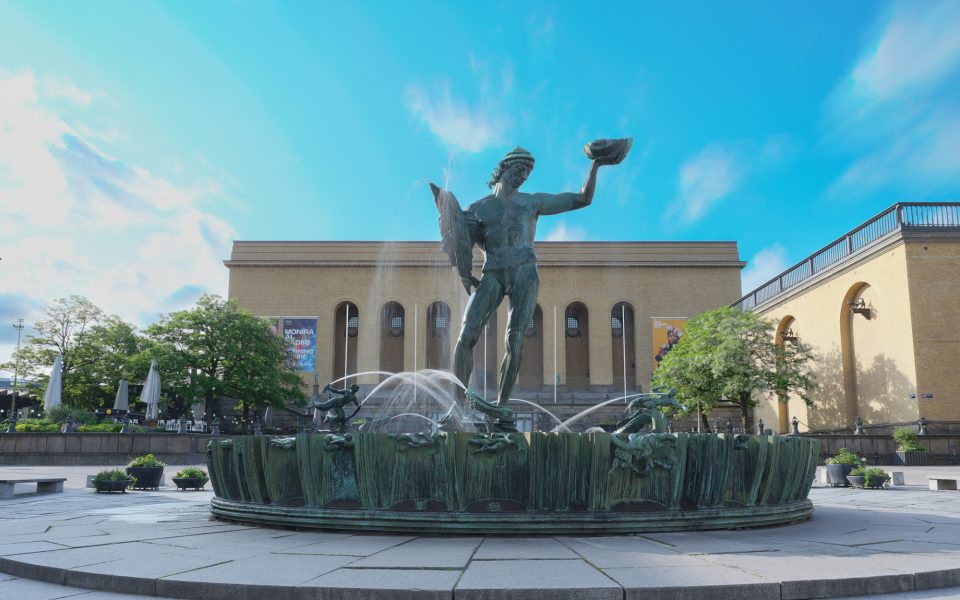
1. Say hello to Poseidon!
Outside the museum, you are welcomed by Carl Milles’ monumental sculptures at Götaplatsen — a landmark in the cityscape and a gateway to the world of art. Inside Gothenburg Museum of Art, you’ll find one of the Nordic region’s most extensive and vibrant art collections. It encompasses around 70,000 works, including paintings, sculptures, drawings, photographs, video art and children’s book illustrations.
2. A collection that transformed Swedish art life
In the Fürstenberg Gallery, you encounter a dramatic period in Nordic art history. Here, you’ll find works by Anders Zorn, Carl Larsson and P. S. Krøyer – a generation that challenged artistic traditions and looked towards Paris for inspiration. Created by Pontus Fürstenberg and Göthilda Fürstenberg, the collection brings together Nordic masterpieces and international influences.

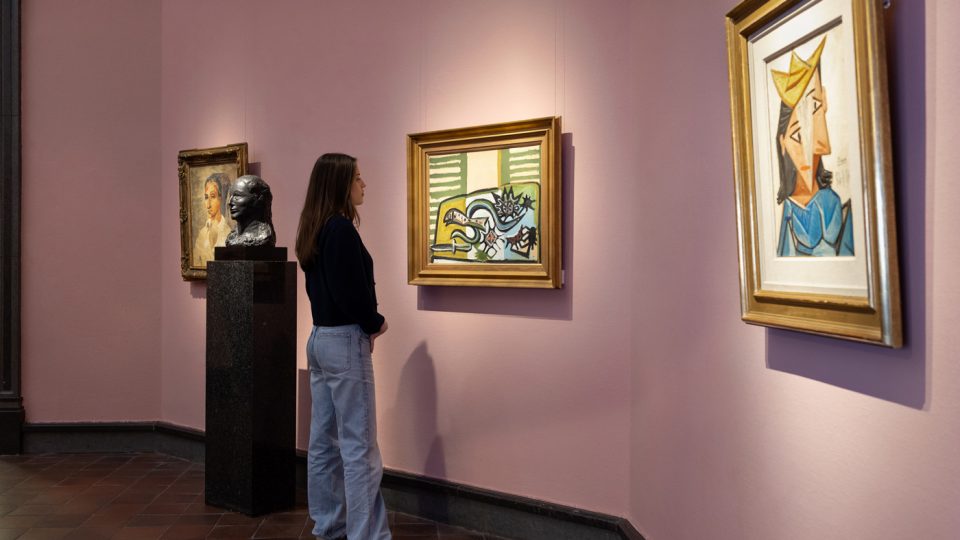
3. The Picasso Room
Pablo Picasso shaped modernism and co-founded Cubism together with Georges Braque. In the Picasso Room, you can follow the evolution of his artistic style through several works, including The Straw Hat and the Family of Acrobats. Here, you encounter the world of the circus in poetic, melancholic scenes – in the midst of an artistic transformation.
4. Rembrandts enigmatic knight
Rembrandt’s The Knight with the Falcon is a captivating portrait that invites you to wonder who the mysterious man truly is. With dramatic lighting, rich detail and a strong sense of movement, the painting reveals why Rembrandt is regarded as one of the world’s greatest artists.

5. Expressive Colourists
Discover the power of colour through the Gothenburg Colourists – one of Sweden’s most influential groups of artists from the first half of the 20th century. Here, colour takes centre stage in a personal and expressive style of painting that helped shape West Swedish art. Encounter artists such as Åke Göransson, Karin Parrow, Ivan Ivarson, Märta Taube-Ivarson and Inge Schiöler.

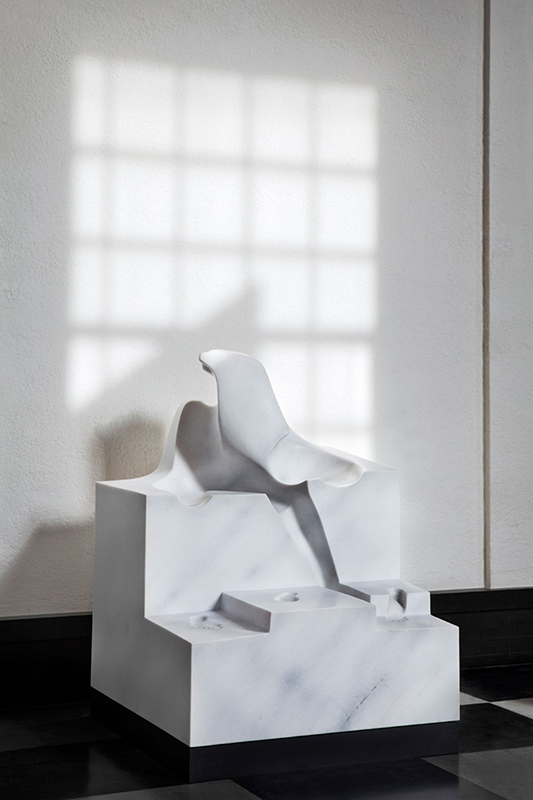
6. Marble Dreams and a Spinning Poledancer
Step into one of the museum’s most striking spaces. In the Sculpture Hall, historical and contemporary works meet in a dialogue about the body, material and tradition – from Marino Marini to Louise Nevelson. Monika Larsen Dennis evokes the void left behind by The Kiss, while Cajsa von Zeipel gives tradition a new direction with a monumental spinning poledancer.


7. Vibrant landscapes of beauty
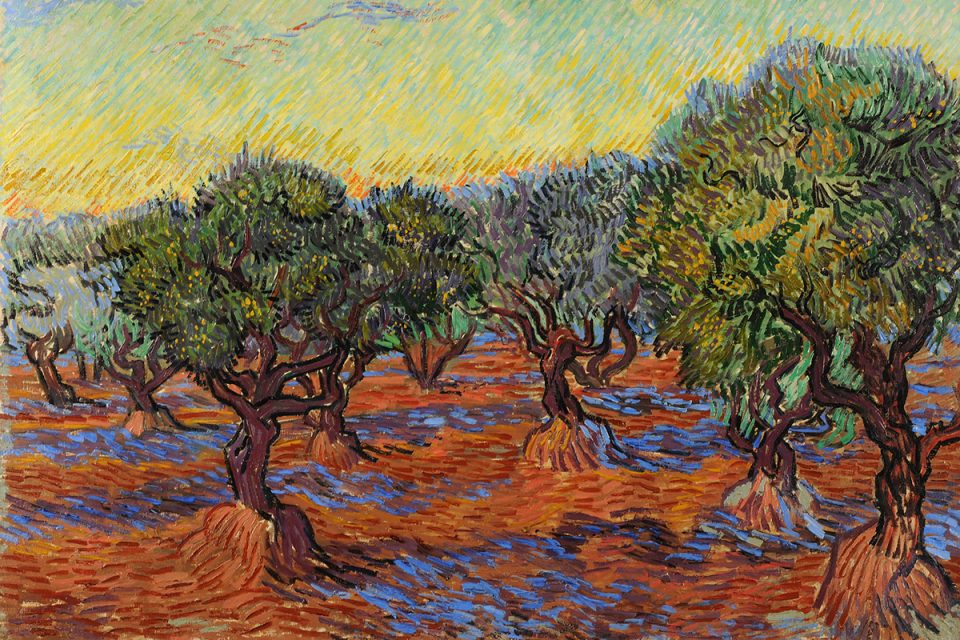
The landscape vibrates with colour and movement. Gnarled trees twist like living figures, while blue shadows stretch across the warm ground in the low light. Vincent van Gogh paints with intense brushstrokes that transform nature into an emotionally charged experience of beauty and melancholy. Olive Trees, Saint-Rémy was created during a period of both creative inspiration and mental instability, shortly after the widely discussed incident in which he cut off his own ear.
8. A quit drama
Two figures stand silently, gazing out over the water in the twilight. In Nordic Summer Evening, Richard Bergh captures a charged moment between stillness and tension. An iconic work from Swedish national romanticism around the turn of the 20th century, it is part of Sweden’s cultural canon

9. French light and flowing colours
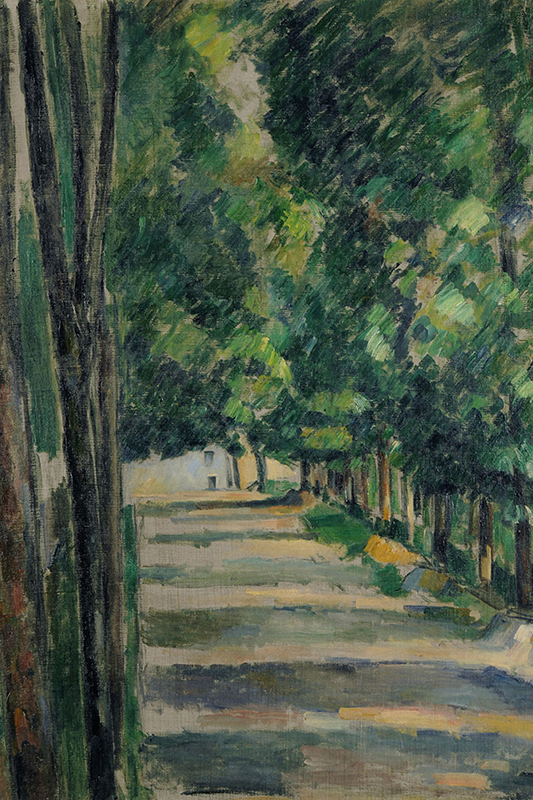
Follow the path towards a more liberated form of painting in the museum’s French collection, from a time when artists began to push the boundaries of colour, light and form. Here you’ll find names such as Claude Monet, Paul Cézanne, Edgar Degas and Vincent van Gogh, alongside pioneers of Cubism, Symbolism and Surrealism.


10. Free admission for visitors under 20
Did you know that all children and young people up to the age of 20 enjoy free admission to our museum? The same applies to students of all ages. Art should be accessible to everyone, offering shared inspiration through its many forms of expression.

Plan your visit
Would you like to know more about our opening hours and get practical information for your visit? Click here.